Products
PEG
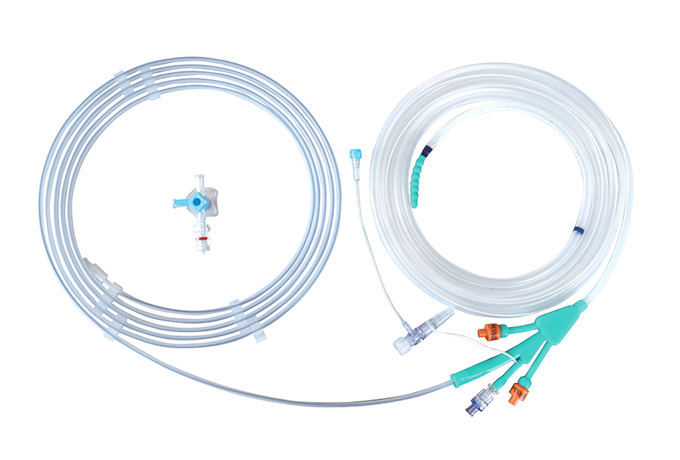
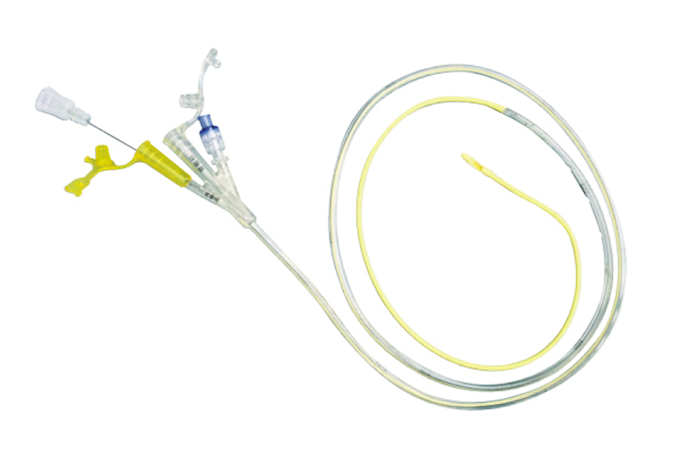
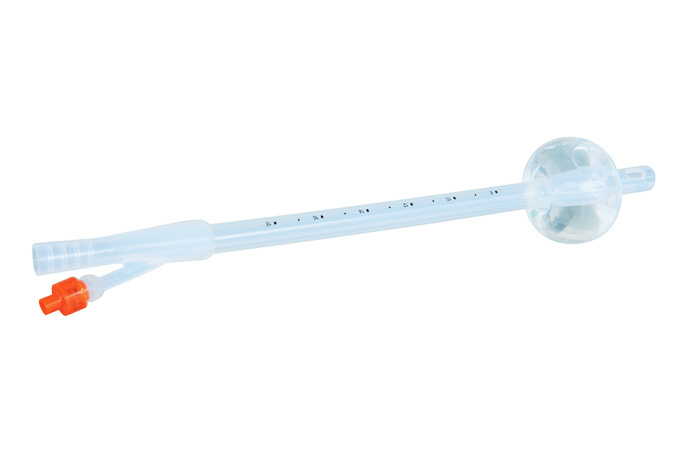
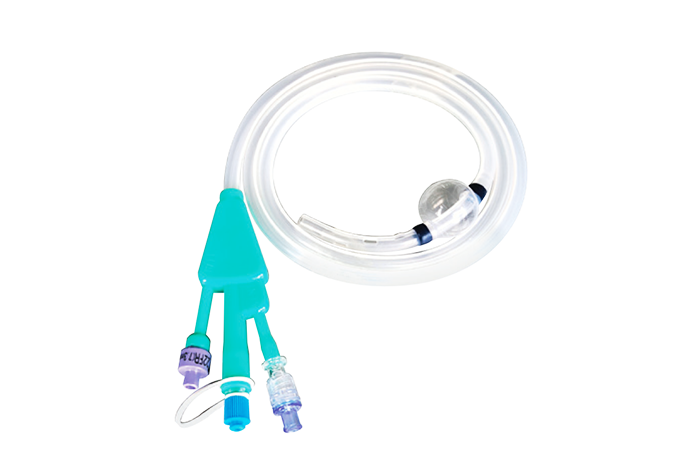
Transnasal Intestinal Obstruction Decompression Catheter

Transnasal Intestinal Obstruction Decompression Catheter


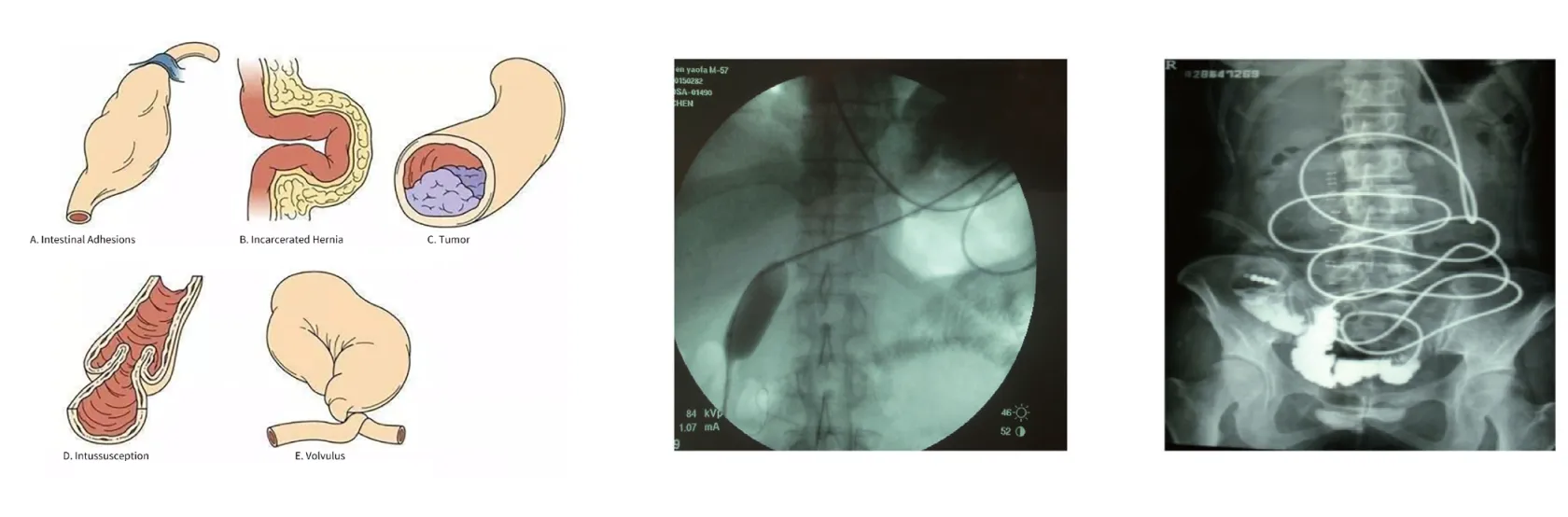
Intestinal obstruction is a common acute abdominal condition in colorectal surgery. It occurs when narrowing or blockage of the intestinal tract, caused by various factors, prevents the normal passage of intestinal contents. Without timely treatment, serious complications such as intestinal perforation and necrosis may occur. Common causes include intestinal inflammation or tumors, volvulus, intussusception, and compression from extraintestinal factors. Often described as a “major traffic shutdown” of the intestine, intestinal obstruction has traditionally required emergency surgery to relieve the blockage, resulting in significant trauma and challenging postoperative recovery.
Share:

Clinical Applications

Indicated for bowel obstruction to relieve distension via decompression and drainage of residue, fluids, and gas, while allowing for targeted drug delivery.

Indications

• Adhesive small bowel obstruction (ASBO)
• Malignant large bowel obstruction / Colorectal cancer obstruction
• Preoperative and intraoperative decompression for severe adhesive obstruction requiring surgical intervention
• Small bowel contrast study / Transnasal tube enteroclysis
• Distal small bowel obstruction (DSBO)
2.webp

3.webp

How an Ileus Tube Works

Imagine the intestine as a clogged pipe and the ileus tube as a professional "plumber." Under X-ray or endoscopic guidance, physicians precisely position the tube at the obstructed segment. Once in place and connected to a suction device, it acts like a vacuum to evacuate excess fluid and gas. This immediately reduces intraluminal pressure, alleviating distension and pain.

A Few Simple Steps to Solve Major Problems

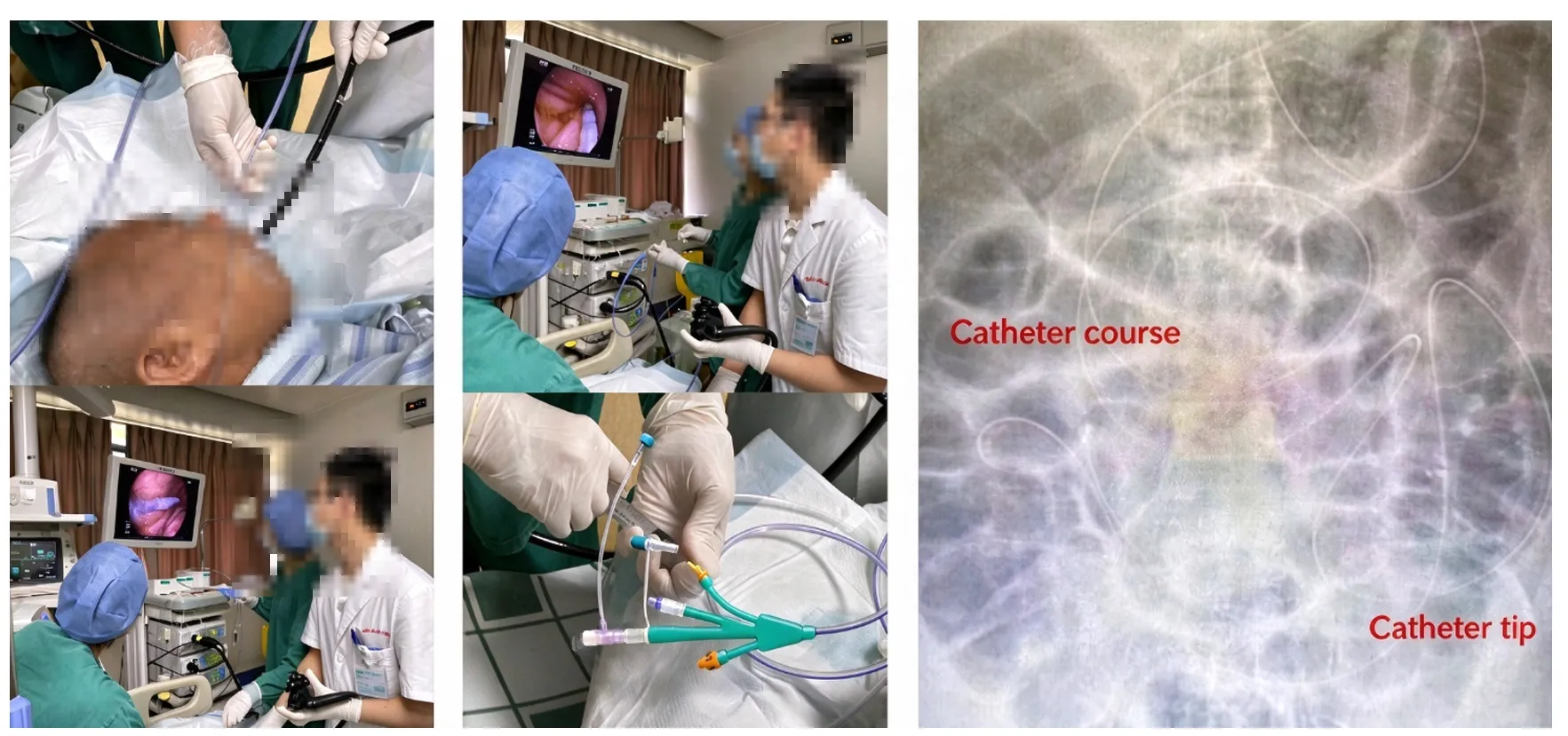
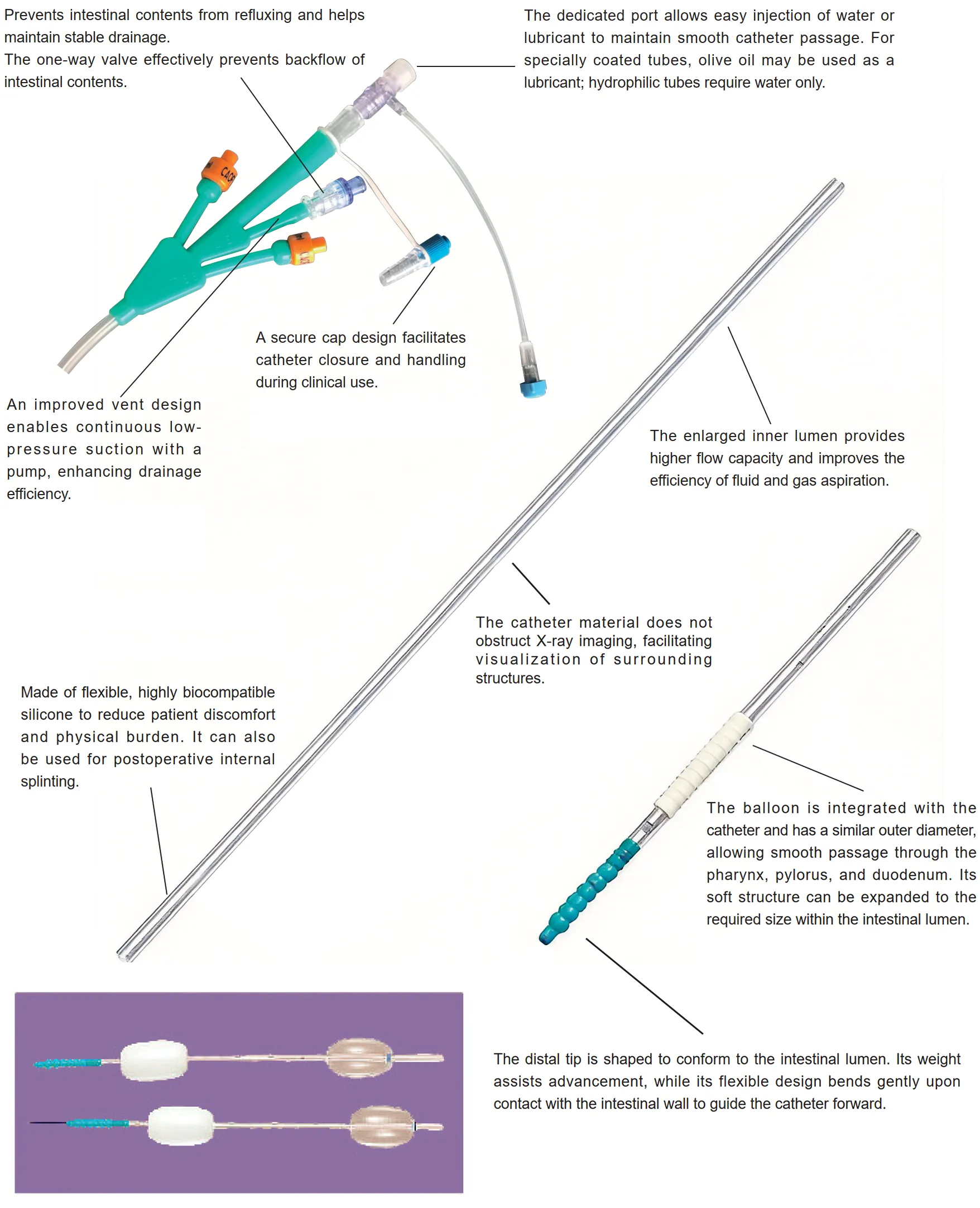
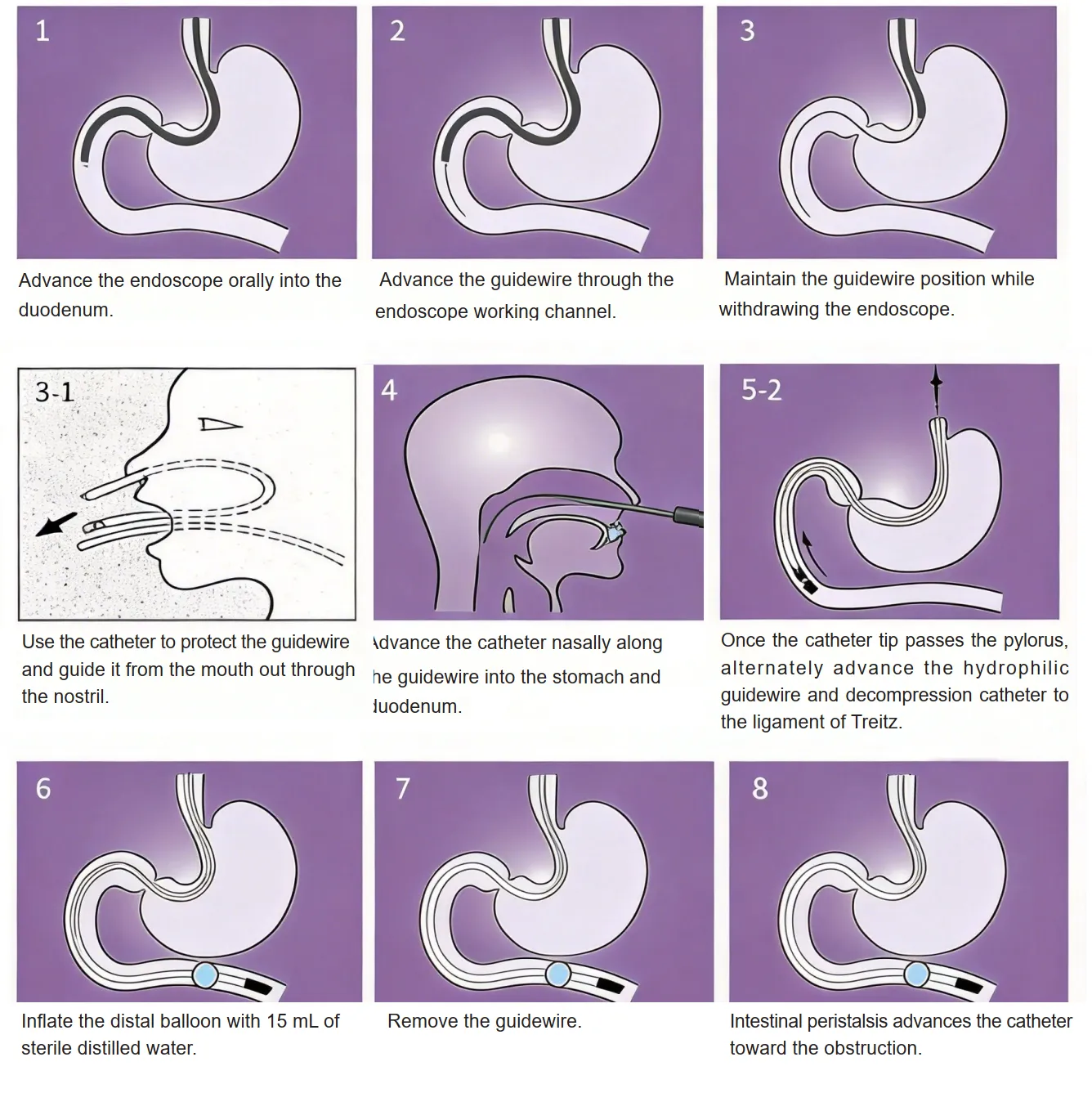
The procedure involves inserting the transnasal ileus tube under endoscopic guidance along the gastric wall into the antrum. A guidewire is then utilized to secure the tube, allowing intestinal peristalsis to carry it deep into the small bowel toward the obstruction. As a non-vascular interventional technique for decompression, this 3-meter-long silicone tube navigates distally—sometimes reaching the anal verge. Unlike nasogastric tubes, which are confined to aspirating contents from the stomach, the ileus tube directly suctions swallowed air, fermentation gases, and accumulated gastric and intestinal fluids resulting from hypersecretion due to the obstruction. Its efficacy relies on its sufficient length and effective decompression: an antegrade balloon simulates a food bolus, using gravity and peristalsis to position the tube proximal to the obstruction for whole-course drainage. Compared to traditional surgery, this minimally invasive approach significantly reduces trauma, with only mild, transient discomfort such as slight foreign body sensation, swallowing discomfort, or minor nasal mucosal bleeding.

Ileus Tube: The Intestinal "Unblocker"
4.webp

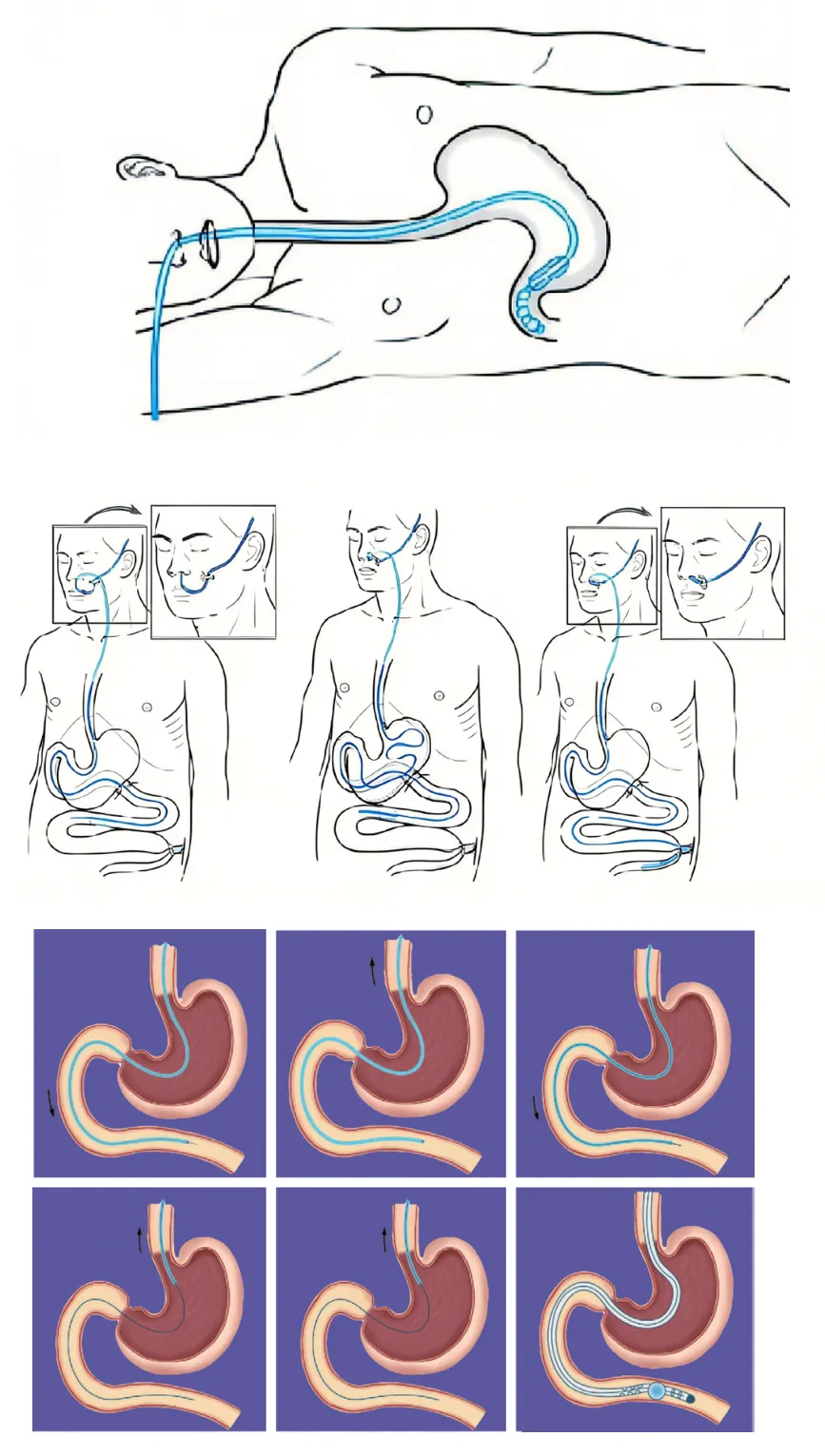
Fluoroscopic Placement of a Transnasal Intestinal Obstruction Decompression Catheter

5.webp

1. Decompress the stomach thoroughly using a gastric tube.


2. Fill the lumen of the decompression catheter with sterile distilled water.


3. Apply an appropriate amount of lidocaine ointment to the catheter tip.


4. Advance the decompression catheter through the nostril into the stomach.


5. Under fluoroscopy, position the patient semi-recumbently in a left anterior oblique position to direct the catheter tip toward the greater curvature. Rotate to the right lateral position to align the tip with the pylorus, then advance the guidewire through the pylorus.


6. Once the catheter tip passes the pylorus, withdraw the guidewire approximately 5 cm and advance the catheter approximately 5 cm. Repeat this sequence to advance the catheter as far as possible.


7. After confirming the desired position, inflate the balloon with 10–15 mL of sterile distilled water.


8. Carefully withdraw the guidewire.


9. After removing the guidewire, advance the catheter further into the stomach, leaving sufficient slack within the gastric cavity.

Transnasal Ileus Tube Dedicated Pass-Winder: Hydrophilic Guidewire
6.webp

The 4,500 mm guidewire is intended exclusively for endoscopic procedures.
Featuring a hydrophilic coating that reduces friction when wetted, the guidewire enables smooth advancement. Available in 3000, 3500, and 4500 mm lengths to accommodate different catheter lengths.

Gastroscopic Placement Technique for Transnasal Intestinal Obstruction Decompression Catheter

7.webp

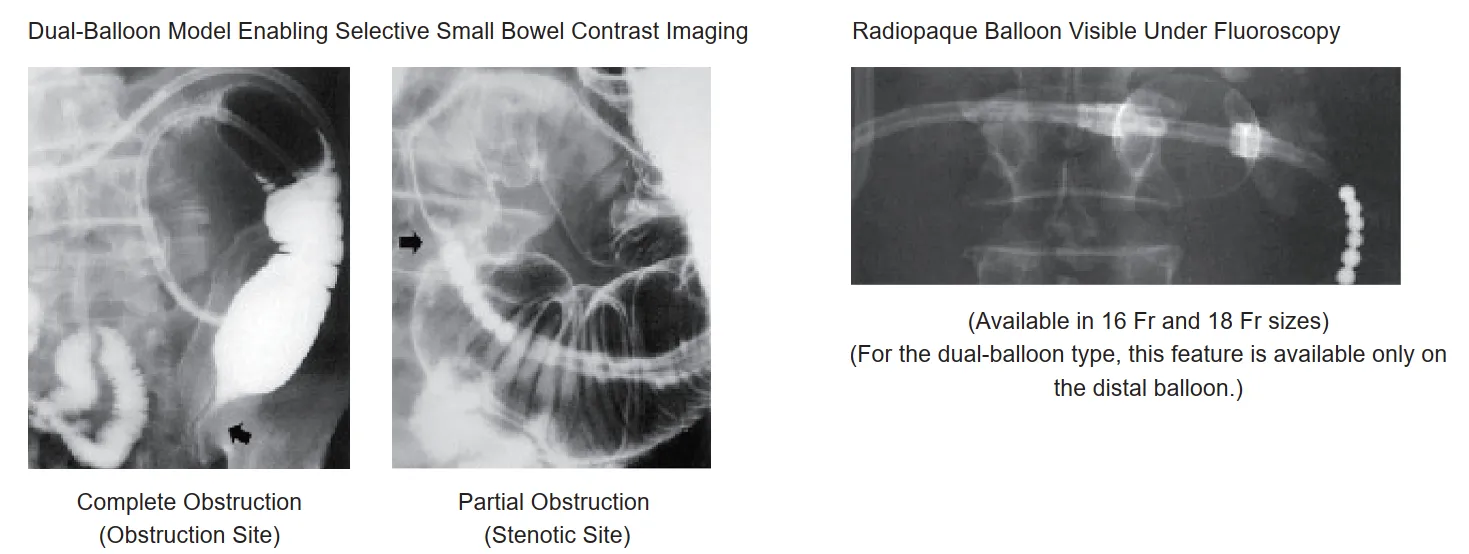
Small Intestinal Radiopaque Line

8.webp

FAQ

Q: Where is Jiangsu Feiyu Medical Apparatus Co., Ltd. located?

A: We are located at No. 8 Xingda Road, Touqiao Town, Guangling District, Yangzhou, Jiangsu Province, China. Our factory covers 37 acres, integrating production, warehouse and office areas.

Q: When was Jiangsu Feiyu Medical founded?

A: Founded on August 6, 2013, we are a professional manufacturer focused on disposable medical devices with stable R&D and production capacity.

Q: What cleanroom standards does your factory adopt?

A: We have a 3,300 m² cleanroom built to ISO 100,000 standards and a 200 m² Class 10,000 biological laboratory, equipped with sterile rooms, microbial limit testing rooms, particulate detection rooms and positive pressure rooms.

Q: What main products does Feiyu Medical manufacture?

A: We develop and produce disposable intestinal obstruction kits, PEG kits (pull-type, button-type, introducer kits), enteral nutrition catheters, urinary catheters, respiratory laryngeal mask devices and gynecological medical products.

Q: What types of PEG kits can you supply?

A: We provide three series of percutaneous endoscopic gastrostomy (PEG) kits: pull-type PEG kits, button-type PEG kits and introducer PEG kits for clinical enteral feeding.

Q: Are your urinary catheters disposable?

A: Yes, all our urinary catheters are single-use disposable medical consumables, produced in our ISO 100,000 cleanroom to guarantee sterility and safety.

Q: What are enteral nutrition catheters used for?

A: Enteral nutrition catheters are used for delivering nutrition, liquid food and medication directly to patients who cannot eat normally, widely used in hospitals, ICU and rehabilitation departments.

Q: Is your laryngeal mask airway for respiratory use disposable?

A: Our respiratory laryngeal mask devices are disposable medical products for anesthesia and airway management, manufactured under strict particle and microbial control.

Q: Can I get OEM or ODM service from Feiyu Medical?

A: Yes. We support OEM & ODM for disposable medical consumables, including custom packaging, labeling and specification development according to your requirements.

Q: Does your factory have in-house testing laboratory?

A: Yes. Our Class 10,000 biological laboratory is used for microbial limit test, particulate detection and sterility test to control product quality before delivery.

Related Products

Inquiry
+86 15799762697
feiyu@feiyu-medical.com
+86-514-8726-5066
Get A Quote

X